
From Model Homes to a Yacht on Wheels
The designer turned a Newport Beach showroom into a far-reaching lifestyle business. His next chapter is taking shape around a conviction formed long before AI and endless inspiration feeds: a home should belong to the people who live in it.

Arts & Business Contributor
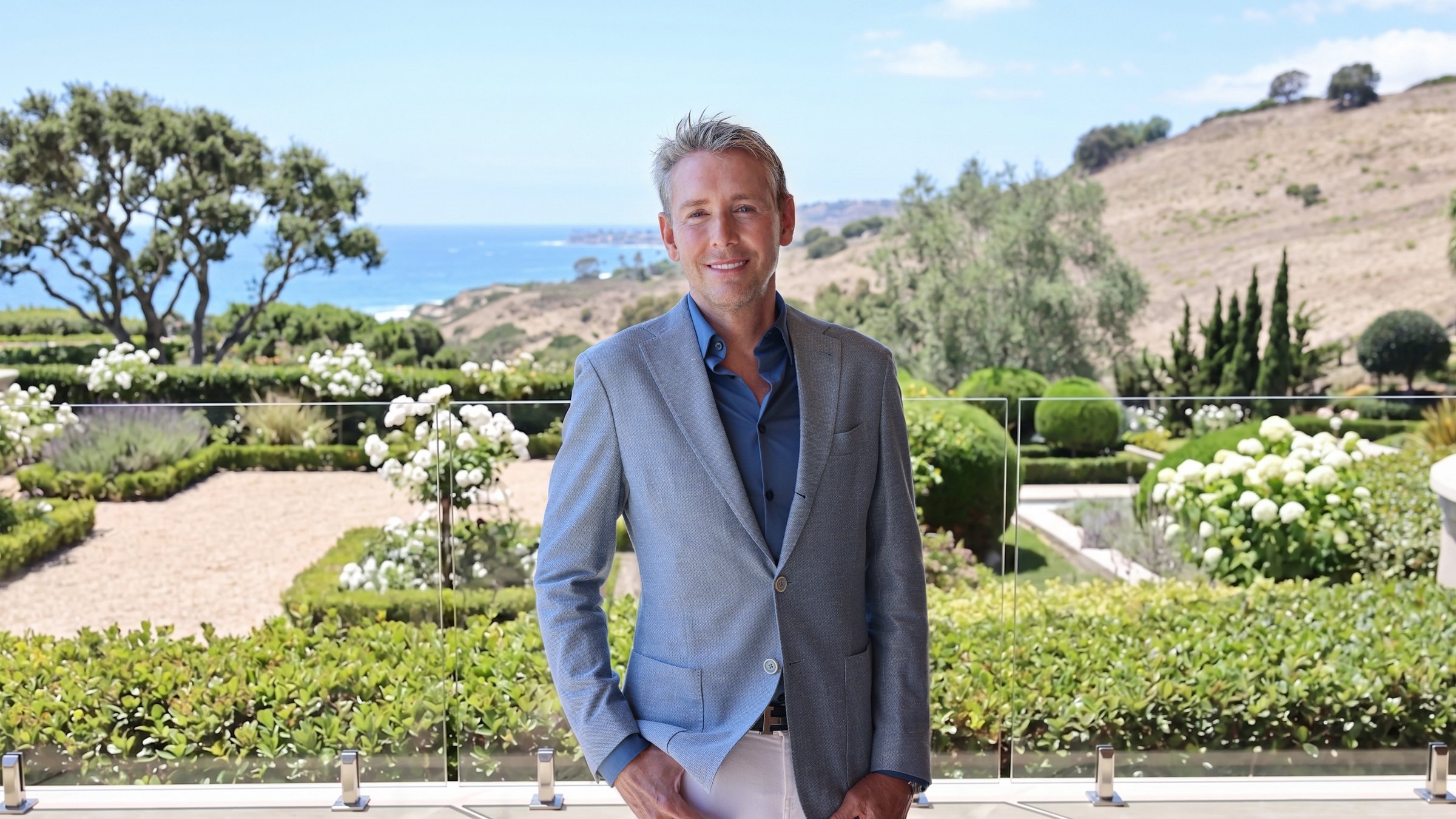
Before the furniture collections, the books and the bespoke Rolls-Royce, Barclay Butera was learning the business in model homes alongside his mother. He had briefly tried law school. Interior design became the work he chose to build his life around.
More than three decades after he opened his own firm in 1994, that decision has taken him from a Newport Beach showroom to residences, hospitality projects and products used far beyond the homes his team designs. A coastal sensibility even found its way into a Rolls-Royce Dawn, with white leather, navy accents and teak detailing.
The range is striking. So is the idea holding it together. Butera wants a room to have history, including the pieces a client already loves.
"“Good design to me is a combination of yours, mine and ours. I believe there should be history in a room, whether it be a piece of art, a vintage rug, or a family heirloom.”"
An education in the rooms people imagine living in
Working with his mother, celebrated interior designer Karen Butera, gave him a foundation in both sides of the profession. Their extensive work in the model home industry developed his eye while exposing him to the business behind it. A finished room depended on creative decisions and the ability to carry them through.
By 1994, he was ready to establish his own point of view. As the firm recalls it, homeowners then had fewer large-scale furniture retailers to choose from and limited options for a highly personalized design experience. Butera saw an opening for a boutique, full-service company built around quality, custom selections and a close relationship with the client.
He opened his first showroom in Newport Beach. The business grew as clients responded to his aesthetic, eventually expanding to Los Angeles, New York and Park City. Today, the business is based around its flagship showroom and design studio in Newport Beach and a design studio in Park City, Utah.
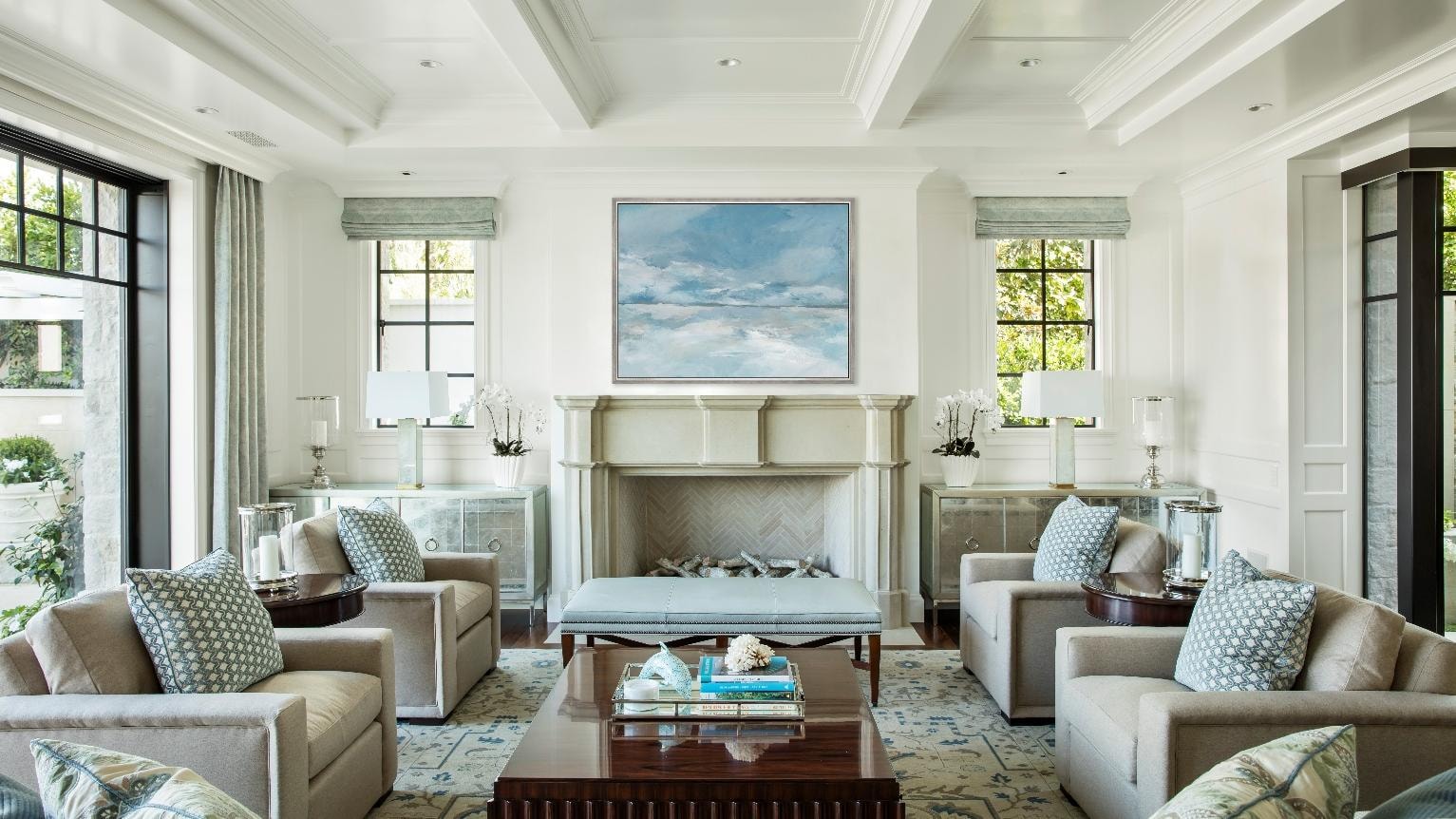
His visual vocabulary has grown just as widely. Fashion, world travel, European architecture and Hollywood's Golden Age all inform the work. Heritage pieces sit alongside distinctive furnishings; pattern and texture give the rooms their layers. The result can take a traditional, transitional or contemporary form, depending on the architecture, the setting and the people who will use it.
The part of design a photograph cannot show
A client may arrive with a clear picture of a beautiful home and still face hundreds of decisions about how to get there. Space planning, custom furniture, fabrics, art, accessories, vendors and installation schedules have to work together. Butera's firm treats the management of that complexity as a central part of its service.
The team guides clients from concept and planning through final placement, drawing on a network of craftspeople, artisans and suppliers built over decades. The aim is a seamless process and a stress-free installation, with the practical problems resolved before the client has to live with them.
Butera also brings the experience of developing the objects themselves. Years spent designing furniture, textiles, rugs and lighting have sharpened his understanding of scale, proportion, materials and craftsmanship. That product knowledge informs how the pieces work together in a room, down to the relationship between a fabric, a finish and the furnishings around it.
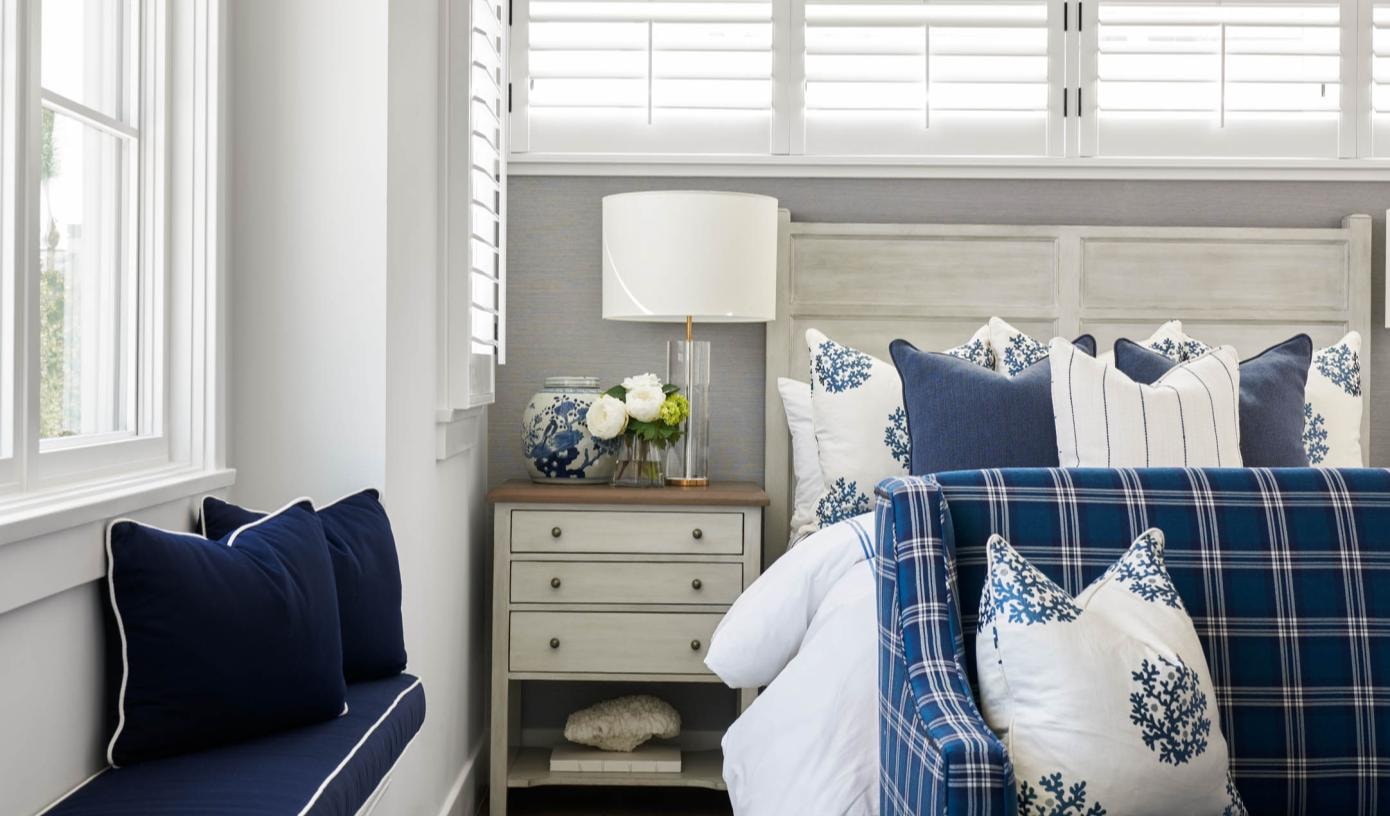
The misconception he would like to correct is that interior design ends at making a home look beautiful. Planning, technical knowledge, coordination and problem-solving are essential to the result. The point is to improve how a home supports a client's life and family needs.
"“Our commitment to providing our clients with a first-rate experience is our number one priority start to finish.”"
When a design practice becomes a lifestyle business
Butera identifies licensing and product development as one of the company's biggest turning points. It changed how far his ideas could travel. A client no longer had to commission an entire home to bring a piece of the Barclay Butera look into their own.
Longstanding manufacturing relationships became a way to translate that point of view across the home. His partnerships include furniture with Lexington Home Brands, indoor and outdoor textiles and carpets with Kravet, rugs with Jaipur Living, bedding with Eastern Accents and outdoor furniture with Castelle. Other collections extend into lighting, wall art, mirrors, accessories and wallcoverings.
The breadth matters because his design approach depends on how those elements relate. Licensing gave the company a national reach while letting Butera work at the level of the individual object. Product development also deepened the material knowledge he brought to the firm's interior work.
His audience expanded through publishing as well. Butera is the author of six design books, including The New Traditional, and his work has appeared in Architectural Digest, ELLE DÉCOR and Veranda. His 2026 press kit also features hospitality work at L'Auberge Del Mar and Terranea Resort, illustrating how the practice extends beyond private residences.
The coastal home that became a Rolls-Royce
One commission made that relationship unusually literal. A South Florida client wanted a bespoke Rolls-Royce Dawn that complemented her oceanside residence. Working with Butera, she carried her love of the sea into the car's colors and finishes.
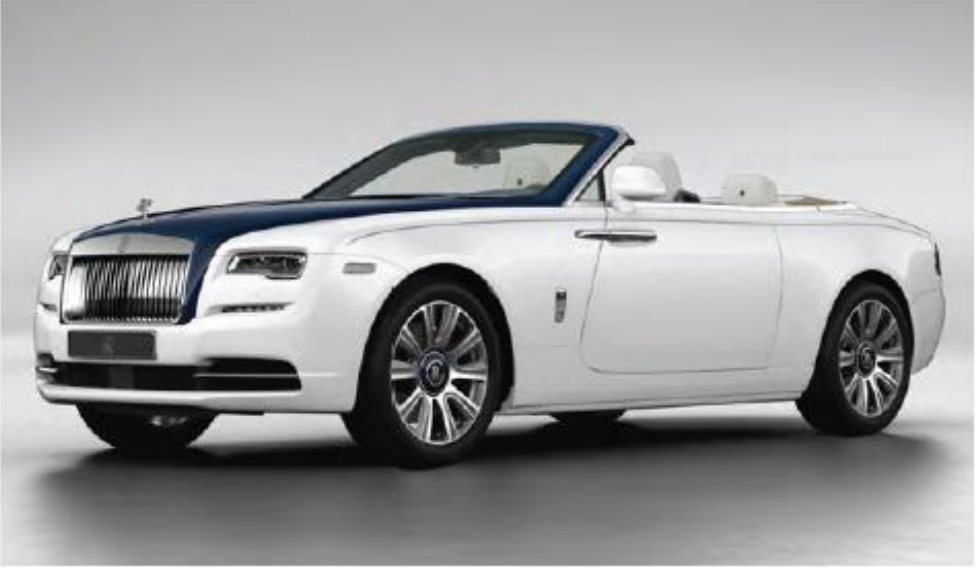
The Nautical Dawn paired a Midnight Sapphire hood and Arctic White body with white leather, navy highlights and teak detailing. Unveiled during Monterey Car Week in August 2016 and delivered at the Pebble Beach Concours d’Elegance, it became the collaboration Butera calls his “Yacht on Wheels.” The personal brief had followed the client beyond the front door.
History as something to work with
Another unusual commission brought Butera to Hearst Castle. He designed a showcase room for an exclusive experience offered through a charity auction, a project that placed his work inside one of California's best-known historic estates.
The firm describes him as the first interior designer to work on the residence since architect Julia Morgan. The commission was a specific room for the charitable experience. Lighting collaborator ADG also documents a Butera-designed suite at the castle, where its lamps remained for almost two years.
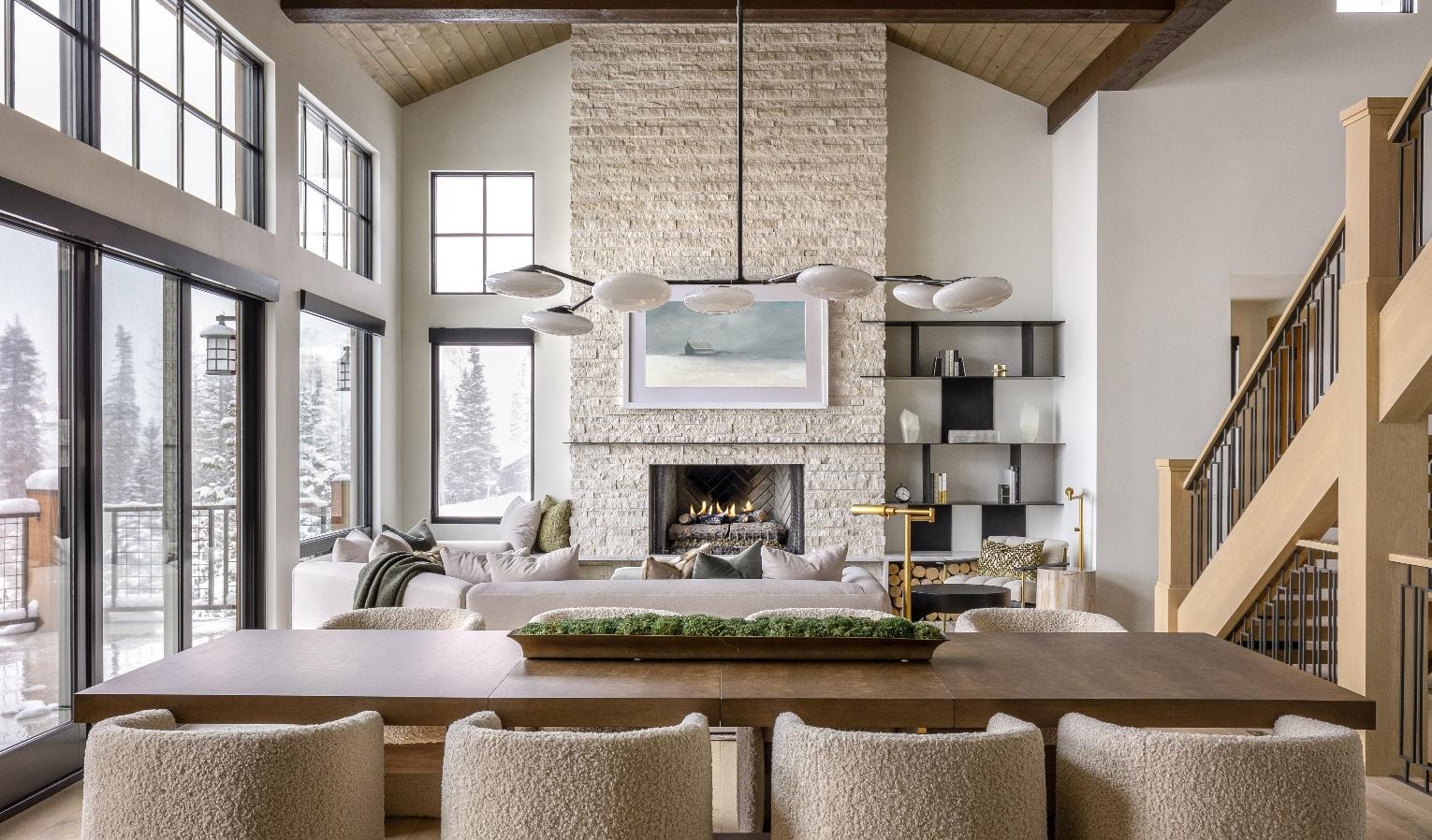
The team behind the signature
“I feel very lucky to have many people at the company who have spent their entire careers with me; we have accomplished so much together over the decades.”
He describes a collaborative, close-knit culture. Behind the finished projects are designers and professionals contributing experience, creativity and attention to detail. In a business where so many separate decisions must arrive at one coherent result, that continuity is part of what the company has built.
A more personal home in an age of endless inspiration
The way clients approach design is changing. The firm sees people becoming more thoughtful about how a home feels and functions, and moving away from interiors chosen mainly for their trend appeal or how they photograph.
Clients are also better informed. Social media gives them access to an extraordinary volume of ideas, but the team sees a risk in that abundance: the same images can produce the same-looking rooms. Helping someone decide what actually belongs in their home has become a larger part of the work.
“The role we have as designers is increasingly about editing,” the firm writes. Inspiration has to be translated into a coherent, enduring home that fits the client. That takes a willingness to make choices, rather than simply accumulating everything that caught someone’s eye.
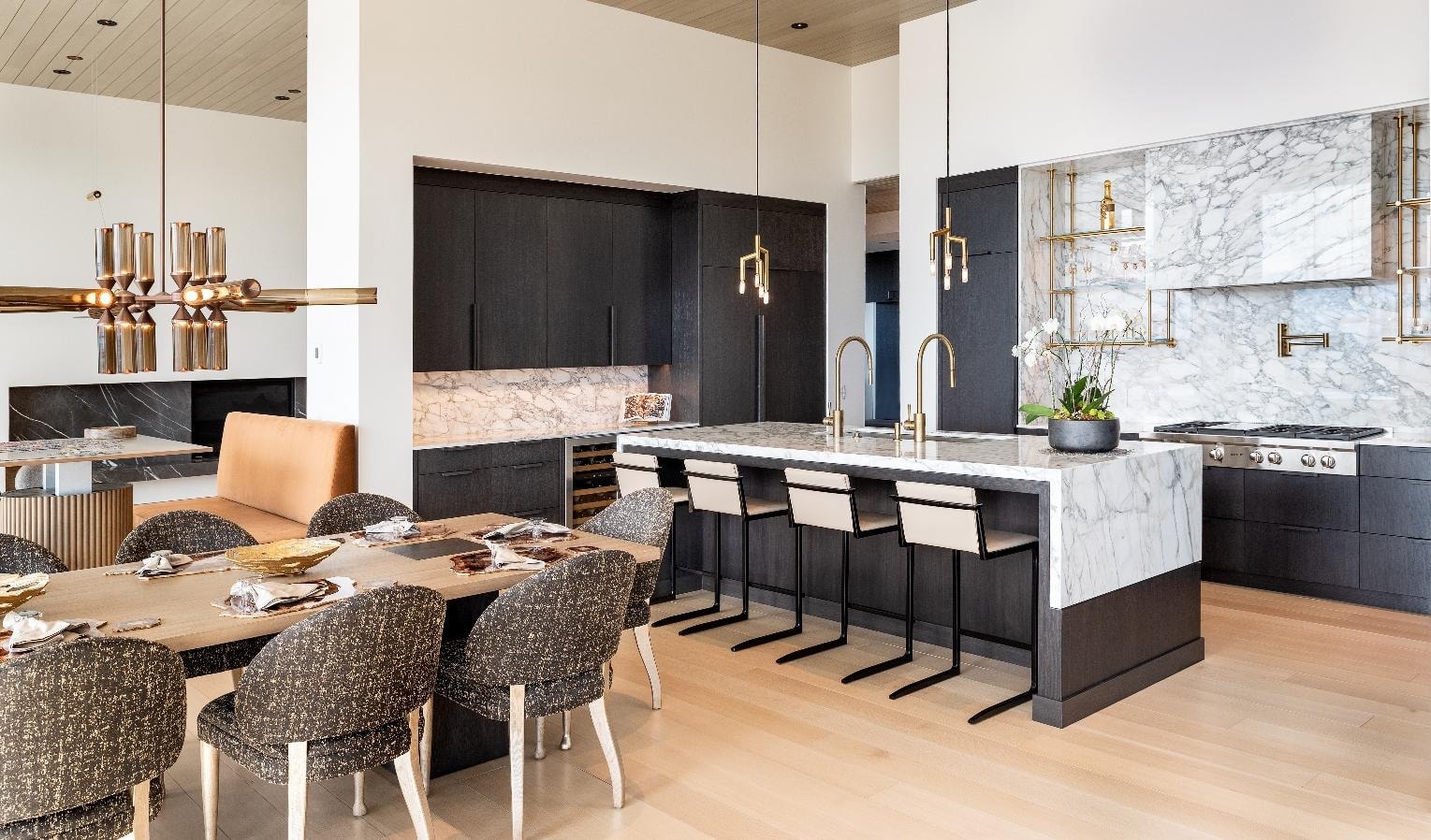
AI tools and organic intelligence
Looking three to five years ahead, Butera’s team expects technology, particularly AI, to have a significant effect on the industry. The firm is learning where those tools can make it more efficient. It still describes itself as an “OI (organic intelligence)” organization.
"“We firmly believe the human touch will always be the core essence of Barclay Butera Interior Design.”"
The company intends to keep investing in the qualities it believes technology cannot replicate: exceptional service, trusted relationships, custom work, craftsmanship and a personal point of view. Longstanding clients who return for help with multiple homes are, for the firm, the clearest evidence that those priorities matter.
Some clients have stayed with the firm since its earliest days. For Butera, helping them shape another home is a lasting measure of success: a space that reflects their history and makes everyday life better.
About the author
Tamara EdwardsTamara Edwards is a strategic communications advisor, public relations executive, and Founder & CEO of Tamara Edwards & Co. As a contributor to Industry & Influence, she covers leadership, communications, executive positioning, and the business of reputation.