November 17, 2026

Power Players

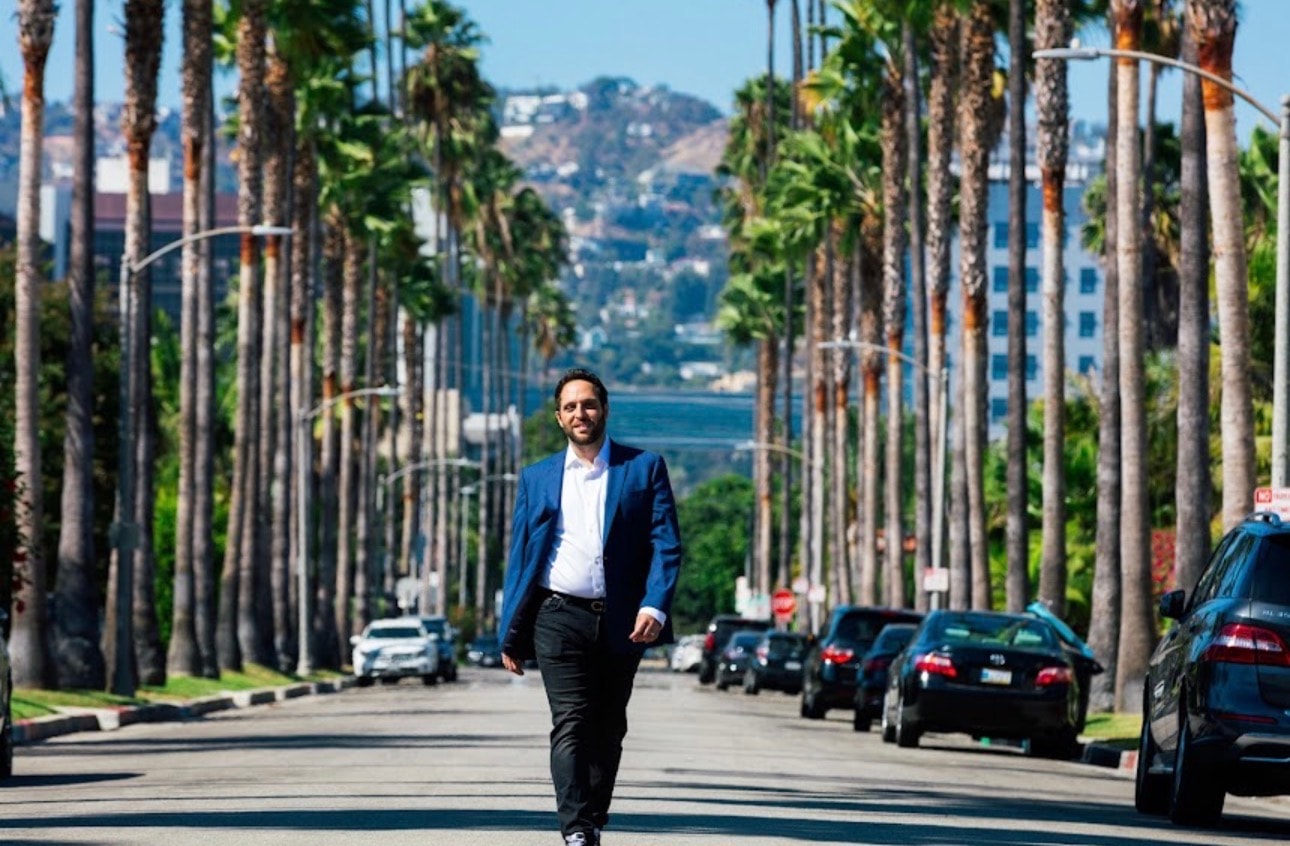
Brian Shafa Makes the Patient Relationship Central to His Beverly Hills Practice

In Beverly Hills, Dr. Brian Shafa has built a practice around communication, follow-up, and the full span of a patient's experience.
Liz Plummer
Liz Plummer

Staff Writer

5 min readNovember 6, 2026
Brian Shafa Makes the Patient Relationship Central to His Beverly Hills Practice
Choosing a plastic surgeon also means choosing who will answer the questions that surround a procedure. What does someone hope to change? How will an appointment fit around work or travel? What happens once the patient goes home? In Beverly Hills, Dr. Brian Shafa has made those conversations part of his practice's identity.
The emphasis appears in practical details: assistance for patients coming from outside Los Angeles, a stated commitment to follow-up and a consultation philosophy that leaves room for patients to explain their priorities. Together, they give the practice a focus that extends beyond its menu of procedures.

The conversation before the procedure

Shafa's personal approach centers on communication and long-term relationships. His practice says he does not pressure patients to add procedures. That is a meaningful statement in a business where the range of available treatments can quickly become the focus of a consultation.

For Shafa, the relationship is also part of how he presents his work to prospective patients. Discretion and the opportunity to ask questions sit alongside the surgical offerings. A patient should be able to understand the proposed experience before deciding whether to proceed; the practice's emphasis on communication makes that an explicit part of its public promise.

A local beginning with a research detour

Shafa grew up in Beverly Hills, and volunteering at Cedars-Sinai introduced him to hospital life early. Work with local plastic surgeons gave him a closer view of the specialty that would eventually bring him back to his hometown.

His route there included biology studies and graduate research in cancer biology, followed by medical school and surgical training. The full record of his education and residencies is available in his curriculum vitae. Before his work centered on surgery, those research years focused his attention on the mechanisms of disease. He returned to Beverly Hills after completing his training.
Today, that background sits behind a practice offering cosmetic and reconstructive procedures as well as nonsurgical treatments.

Keeping the relationship intact across distance

The practice's services for out-of-town patients make its relationship-based approach concrete. The team offers help arranging accommodation and transportation, along with connections to postsurgical care and ongoing follow-up after patients return home.

Those arrangements acknowledge the practical work involved in traveling for surgery. Choosing an appointment is one decision; organizing a stay and understanding how subsequent care will work are others. Shafa's practice brings those questions into the same conversation.

His career has led him back to the city where his interest in medicine began. The business he has built there places attention on the full span of a patient's experience, from the first explanation to the questions that remain afterward. The procedure is a defining event. The relationship — as Shafa describes it — has a longer life.
Share:
Liz Plummer

About the author

Liz Plummer

Liz Plummer covers entrepreneurs, executives, and creative professionals shaping business and culture for Industry and Influence.