
Consumer Trends
Ozempic Is Killing the Appetite. Can Restaurants Still Feed the Experience?
Christie Bellino7 min read
Younger consumers are drinking less alcohol, THC beverages are moving toward the mainstream, and a rapidly changing legal landscape has restaurants wondering whether the next great bar category could disappear almost as quickly as it arrived.

Food & Hospitality Contributor
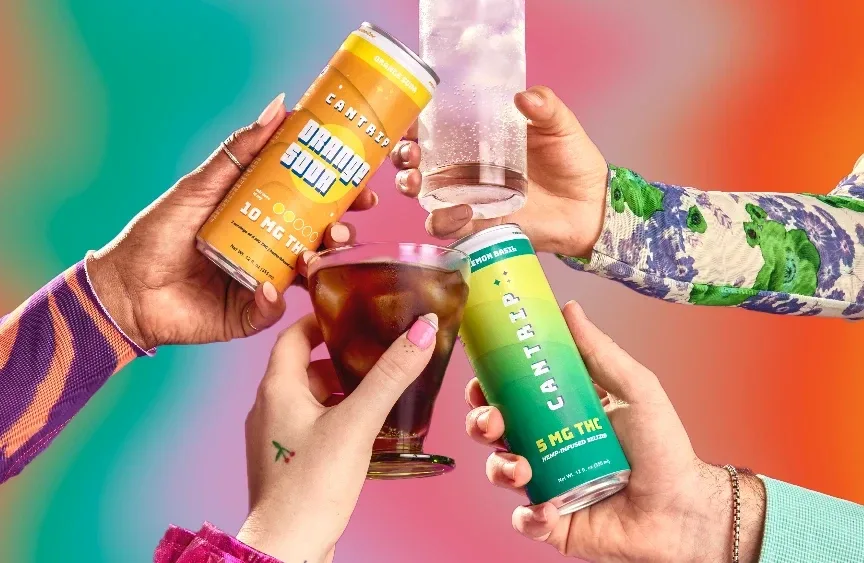
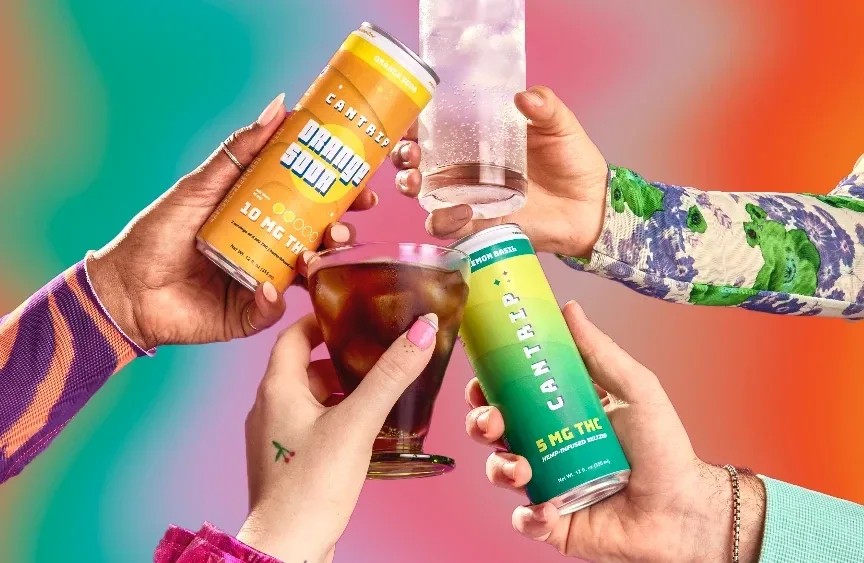
For generations, the economics of going out to dinner were remarkably predictable. You ordered food. You ordered drinks. And those drinks, particularly cocktails, wine, and spirits, helped make the entire restaurant business work.
Now, one of the most dependable parts of the restaurant equation is being challenged by a generation that increasingly seems to be asking a very different question: What if I want to go out, have a buzz, and still don't want a drink?
Welcome to one of the strangest shifts happening in hospitality.
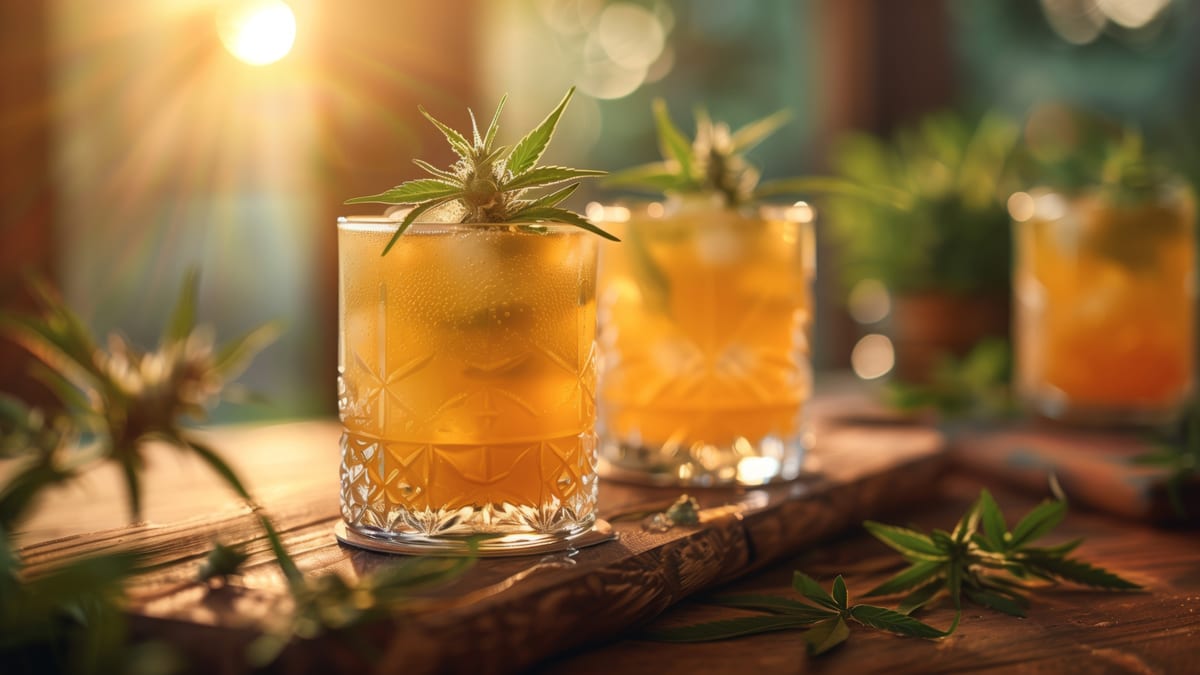
THC beverages are beginning to occupy a space that, until very recently, barely existed. They aren't exactly cocktails. They aren't mocktails. And they don't necessarily fit into the traditional cannabis experience either. They are something in between.
And for restaurants already navigating higher food costs, labor pressures, changing dining habits, and customers reconsidering alcohol, that "in between" could represent an enormous opportunity, if regulators can figure out what to do with it.
The important part of the sober-curious movement isn't necessarily sobriety. It's choice.
Younger consumers are reconsidering the assumption that dinner, a concert, a first date, or a Friday night automatically needs to involve alcohol. Wellness culture, hangover avoidance, and a much broader selection of alternatives have helped turn "not drinking tonight" from an explanation into an increasingly ordinary decision.
That's potentially uncomfortable for restaurants. A customer who replaces a $17 margarita with tap water isn't just drinking less. They're spending less.
But what happens when that customer replaces the margarita with a $12 THC-infused spritz? Suddenly, changing drinking habits don't necessarily look like the end of the bar business. They could be the beginning of a completely different one.
The restaurant industry is paying attention. The National Restaurant Association says 5% of operators already offer hemp-derived THC beverages, while another 26% would consider offering them if clearer regulations were in place. That's a remarkable level of interest for a category that barely existed on mainstream restaurant menus a few years ago.
The most interesting development may not be THC replacing alcohol entirely. It may be restaurants eventually selling drinks based on how customers want to feel.
Wine. Cocktail. Zero-proof. THC. Functional beverage. The future drinks menu could look less like a traditional bar list and more like a collection of different ways to participate in the evening.
The company describes its beverages as "sessionable by design," which may turn out to be one of the most important phrases in the entire THC beverage conversation. Because the next battle in cannabis drinks isn't necessarily about who can make them stronger. It might be about who can make them weaker.
There is a fascinating evolution happening inside the THC beverage category, and it comes down to a very small number printed on the can: How many milligrams should actually be in a drink?
Much of cannabis culture has historically treated THC through the language of dosage. Ten milligrams became a familiar benchmark for an individual serving in many edible products, and that thinking naturally made its way into beverages. But there is a fundamental problem with treating a beverage like an edible.
People don't necessarily go to a restaurant and want one drink to last the entire night. They have a beer. Then another beer. Someone orders a round. They switch flavors. They have something with appetizers and something else with dinner. The ritual of drinking is repetitive.
"Should THC beverages behave like cannabis products, or should they behave like beverages? For restaurants, the second option could be far more interesting."
Imagine a 2mg or 3mg THC spritz at happy hour. Instead of consuming 10mg at once and being finished for the evening, a customer could potentially have one low-dose beverage with an appetizer, another with dinner, and perhaps try a different flavor afterward. Suddenly THC begins behaving less like an edible in a can and more like a light beer.
That distinction matters enormously. A high-dose THC beverage can function like a single purchase. A low-dose drink has the potential to participate in the rhythm that makes bars and restaurants work: ordering, sipping, socializing, and deciding whether you'd like another.
The broader opportunity is becoming clear. Restaurants don't simply need a cannabis product. They need a beverage occasion. And the difference between those two things may ultimately be measured in milligrams.
This is where THC beverages become a much bigger business story. Restaurants aren't simply looking for substitutes for alcohol because consumer preferences are changing. They're looking for products capable of preserving the economics surrounding alcohol.
The first cocktail matters. But so does the second. And sometimes the third. A sophisticated zero-proof cocktail can preserve part of that spending. So can functional beverages. But THC introduces something different: an intoxicating social beverage that doesn't contain alcohol.
If lower-dose THC products allow consumers to pace themselves similarly to beer or cocktails, the category begins to look very different from traditional cannabis. It starts looking like a new section of the bar.
There could eventually be THC spritzes, margaritas, seltzers, and aperitif-style drinks sitting alongside beer, wine, and zero-proof cocktails, each designed around relatively small doses rather than maximum potency. And that creates a counterintuitive possibility: for years, cannabis innovation often meant stronger products. For hospitality, the bigger innovation may be making them weaker.
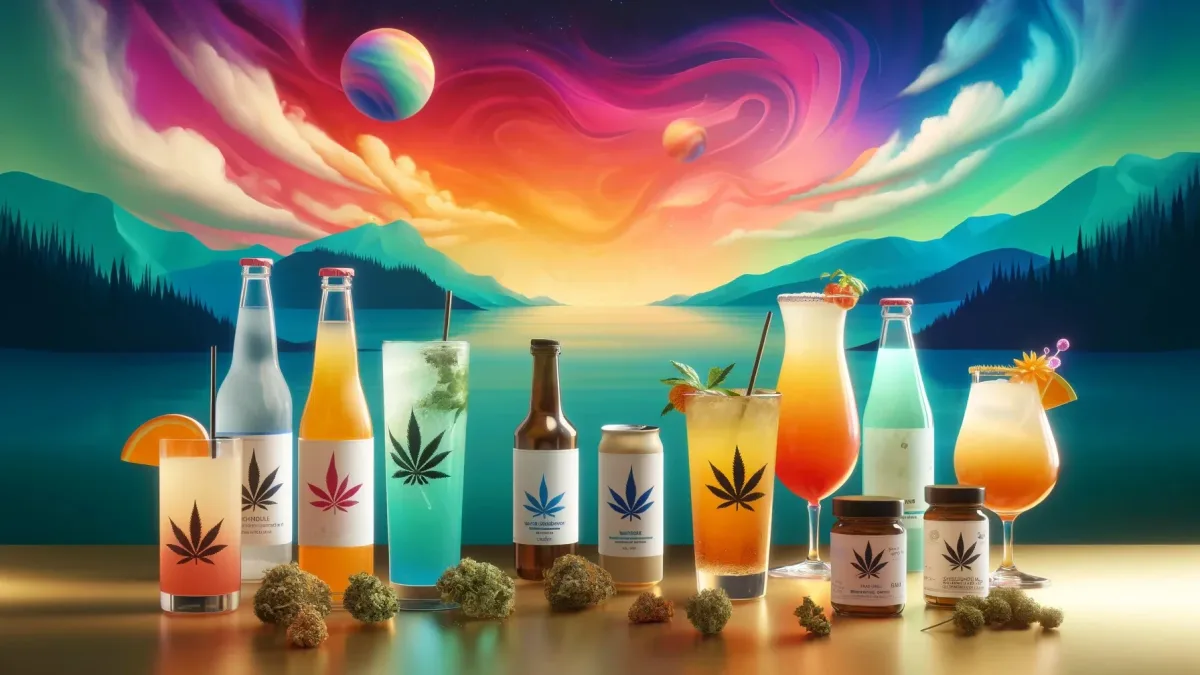
This is where the trend gets complicated. The THC beverage boom owes much of its existence to the 2018 Farm Bill and the legal distinction it created around hemp. The market that followed expanded quickly, but without the kind of uniform national framework restaurants are accustomed to navigating with alcohol.
Instead, operators face a patchwork of federal, state, and local rules governing hemp-derived THC, covering where products can be sold, how they must be labeled, how much THC they can contain, and who can sell them. A restaurant group could theoretically encounter completely different rules as it crosses state lines. And those rules are still moving.
For restaurant operators, that uncertainty creates an almost absurd business dilemma. Consumers are asking for the product. Brands are developing the product. Restaurants are interested in selling the product. And the rules governing the product could change before someone finishes printing the new cocktail menu.
For the hospitality industry, this story is ultimately bigger than cannabis. Restaurants need people to order beverages. Alcohol has historically been exceptionally good at turning a dinner into a profitable night out. But if younger generations continue drinking less, restaurants will have to find other products compelling enough that customers willingly pay restaurant-level prices for them.
A club soda with lime probably isn't going to solve that problem. A thoughtfully designed THC cocktail might. So might sophisticated zero-proof drinks, functional beverages, and entirely new categories that haven't been invented yet.
The winning restaurants may ultimately stop thinking about non-alcoholic customers as people who have "opted out" of the drinks menu. They're still customers. They still want to celebrate birthdays, go on dates, sit at the bar, meet friends after work, and order something interesting when everyone else orders a round. They simply may not want alcohol to be the price of admission.
"The great restaurant beverage disruption may not be about Americans abandoning drinking culture. It may be about expanding the definition of what having a drink means."
THC cocktails have arrived at exactly the right cultural moment to test that idea. Now restaurants, beverage companies, and regulators just have to figure out what happens next.
About the author
Christie BellinoChristie Bellino covers food, hospitality, and the consumer trends reshaping how people eat, drink, and gather. Her reporting explores the businesses and cultural shifts changing the modern dining experience.