Innovation
The Quiet Rise of the Founder-Led Brand
Tamara Edwards7 min read
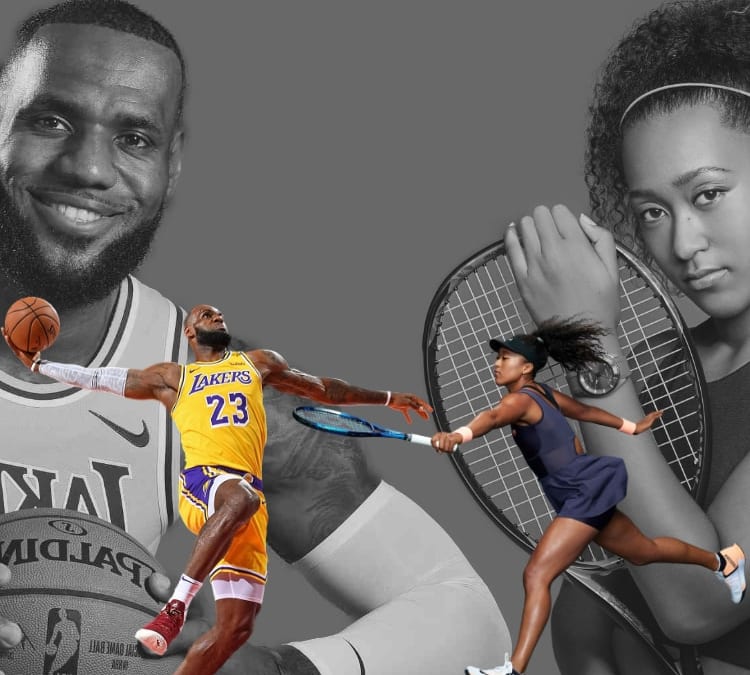
LeBron James, Serena Williams, Naomi Osaka, and a new generation of athletes are done being the face of someone else's brand. They are building their own. And the business world is only beginning to understand what that means.
Arts & Business Contributor
For most of the twentieth century, the deal was simple. An athlete performed. A company paid for the right to attach their name to a product. The athlete smiled for the camera, cashed the check, and went back to training. The brand got the visibility. The athlete got the money. Everyone understood their role.
That deal is breaking down. Not slowly, and not quietly.
Across sports, a generation of athletes is doing something their predecessors rarely attempted: building companies of their own. Not side projects. Not vanity investments. Real operating businesses with real equity, real revenue, and real ambitions that have nothing to do with the next season.
"The old model asked athletes to be the face. The new model asks them to be the founder."
To understand what is changing, it helps to understand what the old model looked like at its peak. Michael Jordan's deal with Nike, signed in 1984, is the most studied endorsement in sports history. Jordan did not design the Air Jordan. He did not manufacture it, market it, or distribute it. He wore it, and Nike did the rest. The royalty structure was generous by the standards of the time, but the fundamental arrangement was clear: Jordan was talent. Nike was the business.
That arrangement made Jordan extraordinarily wealthy. It also made Nike something far larger. The Air Jordan line has generated more than two billion dollars in annual revenue in recent years. Jordan receives a royalty on that. But the equity, the brand, and the compounding value of four decades of cultural relevance belong to Nike.
LeBron James watched that math carefully. And he decided he wanted to be on the other side of it.
In 2020, LeBron James and his longtime business partner Maverick Carter raised a major funding round for SpringHill Company that valued the media and entertainment business at roughly 725 million dollars. SpringHill was not a new idea. James and Carter had been building it for years, quietly, while LeBron was still playing at the highest level in the NBA.
SpringHill produces films, television shows, and branded content. It manages talent. It builds consumer products. It is, in the language of modern media, a full-stack entertainment company. And it is owned, in meaningful part, by the athlete whose name and cultural gravity made it possible to build in the first place.
James has spoken publicly about the distinction he draws between being a brand ambassador and being a business owner. The former is a transaction. The latter is a compounding asset. He has said, in various interviews, that his ambition is to become a billionaire not because of what he earns on the court, but because of what he builds off it. That framing, athlete as investor and owner rather than talent for hire, is the defining shift of this era.
He is not alone in thinking that way.
"The former is a transaction. The latter is a compounding asset."
Serena Williams retired from professional tennis in 2022 with 23 Grand Slam singles titles and a net worth that most athletes will never approach. She also retired with something far less common: a functioning venture capital firm she had been running for nearly a decade.
Serena Ventures, which Williams founded in 2014, has invested in more than 50 companies across health, technology, and consumer goods. The portfolio includes Impossible Foods and MasterClass, among others. Williams has been consistent about her investment thesis: she is particularly focused on companies founded by women and people of color, a focus that reflects both her values and her read on where the market has historically been underserved.
What makes Serena Ventures notable is not just the portfolio. It is the seriousness of the operation. Williams did not hire a manager to run a celebrity fund on her behalf. She built a team, developed a thesis, and has been actively involved in sourcing and evaluating deals. She is, by any reasonable definition, a venture capitalist who also happened to be the greatest tennis player of her generation.
The sequencing matters. She did not wait until retirement to start thinking about what came next. She built the firm while she was still competing, which meant that by the time she walked away from the sport, the business was already real.
Naomi Osaka's business story begins with a moment most publicists would have tried to prevent. In 2021, she withdrew from the French Open, citing mental health struggles and the toll of mandatory press conferences. The decision was polarizing. Sponsors, commentators, and sports institutions debated whether she had handled it correctly. What almost no one predicted was that the moment would become the foundation of a brand.
Osaka did not retreat from public life after that withdrawal. She leaned into it on her own terms. She launched Kinlo, a skincare brand designed for people with melanin-rich skin, a category she identified as chronically underserved by the beauty industry. She co-founded Hana Kuma, a media and production company built around stories she wanted to tell. She became an investor and a vocal advocate for athlete mental health in a way that, rather than narrowing her commercial appeal, seemed to deepen it.
What Osaka understood, perhaps intuitively, is that authenticity is not a marketing strategy. It is a business strategy. The companies she built are extensions of who she actually is, not products designed to capitalize on her fame. That distinction is harder to manufacture than it sounds, and it is exactly what separates the athlete-entrepreneurs who build lasting businesses from the ones who simply attach their name to someone else's idea.
"Authenticity is not a marketing strategy. It is a business strategy."
The shift toward athlete-owned businesses is not accidental. Three forces converged to make it not just possible, but inevitable.
The first is social media. An athlete with tens of millions of followers does not need a brand to distribute their message. They are the distribution. That changes the negotiating dynamic entirely. When an athlete can reach their audience directly, the value of a traditional endorsement deal decreases, and the value of owning the underlying business increases. The platform is no longer the brand. The athlete is.
The second is the NIL era in college sports. When the NCAA changed its rules in 2021 to allow college athletes to profit from their name, image, and likeness, it created a generation of young athletes who began thinking about brand-building before they turned professional. The mental model shifted early, and it is not shifting back.
The third is a change in how the venture capital world thinks about athletes as founders. The combination of massive audiences, authentic community, and genuine cultural credibility turned out to be exactly what early-stage consumer companies need. Athletes, it turned out, were not just celebrities. They were distribution channels with built-in trust, and trust, in a crowded market, is the scarcest resource of all.
The athlete-as-entrepreneur story is compelling. It is also incomplete without an honest accounting of the failure rate.
For every SpringHill, there are ventures that quietly dissolved after the initial press coverage faded. The skills that make someone exceptional at a sport, the discipline, the competitive drive, the ability to perform under pressure, do not automatically translate into the skills required to build and scale a company. Hiring, product development, unit economics, and organizational culture are different disciplines entirely, and no amount of fame accelerates the learning curve.
The athletes who have succeeded as entrepreneurs tend to share a few traits. They hired people who knew things they did not. They were willing to be wrong and to learn in public. And they chose businesses that were genuinely connected to their experience and their audience, rather than chasing whatever category seemed most attractive at the time.
The ones who failed often did the opposite: they lent their name to something they did not understand, trusted the wrong partners, and discovered too late that celebrity is not a substitute for operational competence. Fame opens the door. It does not run the business.
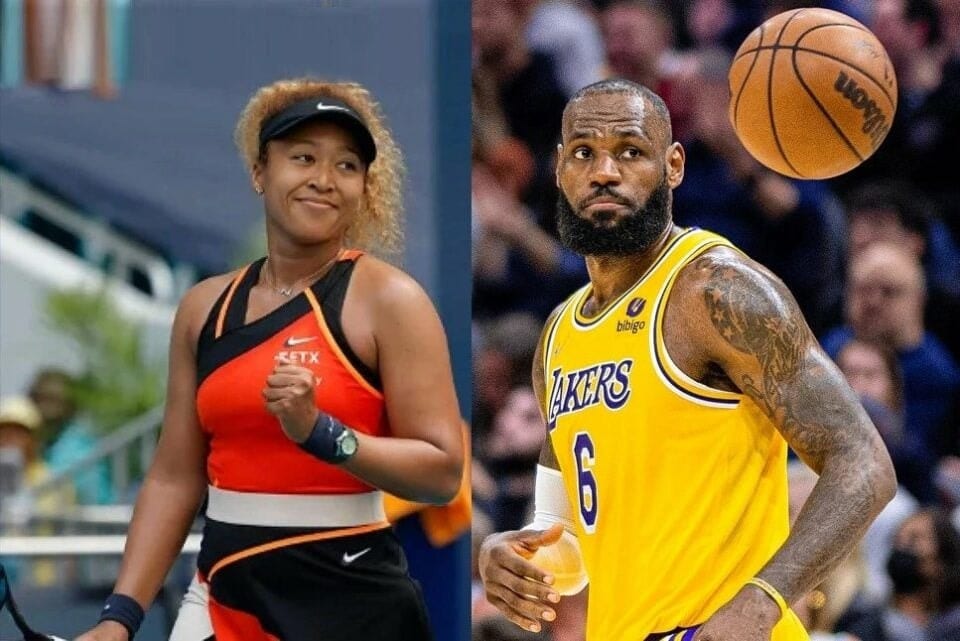
The rise of the athlete-owned brand is not just a sports story. It is a story about what happens when the people who create cultural value decide to capture more of the economic value they generate. And that dynamic is playing out far beyond sports, in music, in film, in fashion, in media. The creator economy is built on the same logic: the people with the audiences are increasingly unwilling to be tenants in someone else's platform. They want to own the building.
For brands that have built their marketing strategies around athlete partnerships, this shift requires a genuine rethink. The athletes who are most culturally relevant are increasingly the ones with the most leverage, and they are using that leverage to negotiate for equity, for creative control, and for the kind of long-term alignment that a traditional endorsement deal was never designed to provide.
The old model asked athletes to be the face. The new model asks them to be the founder. And a growing number of them are deciding that if they are going to do the work of building a brand, they would rather own it.
The check they used to sign was a contract. The check they are signing now is a term sheet. That is a different kind of power entirely.
About the author
Tamara EdwardsTamara Edwards is an Arts & Business Contributor for Industry and Influence.